
Role of 3D Printing in Drone Prototyping for Rapid Component Development

Updated: Feb 28
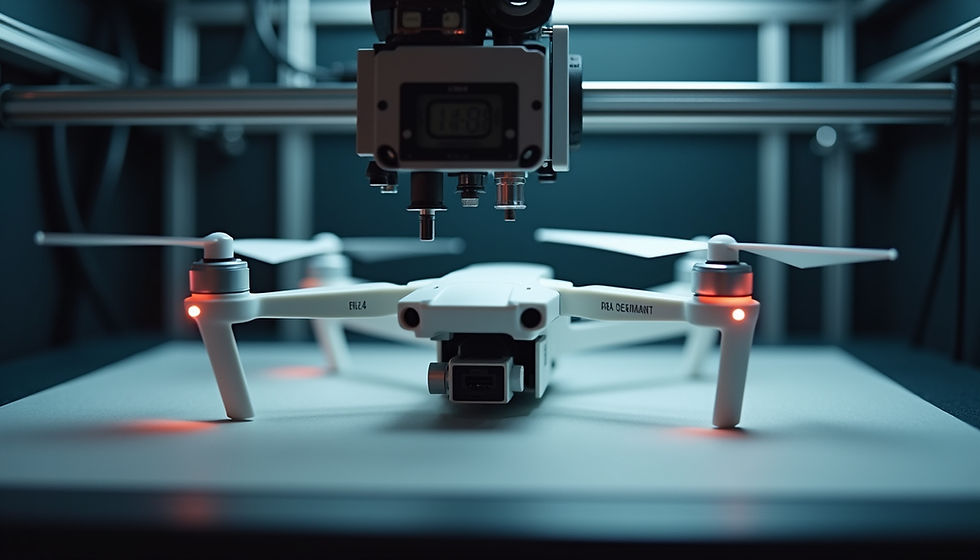
The drone industry is rapidly evolving, and 3D printing has emerged as a crucial technology in rapid prototyping of drone components. By leveraging additive manufacturing, drone developers can quickly create and test complex components, reducing development time and costs.

Benefits of 3D Printing in Drone Prototyping
Rapid Iteration: 3D printing enables fast iteration and testing of drone components, accelerating development timelines.
Complex Geometries: 3D printing allows for the creation of complex geometries and internal structures, improving drone performance and efficiency.
Lightweight Components: Using advanced materials, 3D printing produces lightweight components, reducing drone weight and improving flight time.
Cost-Effective: 3D printing reduces prototyping costs by minimizing material waste and eliminating tooling costs.
Also Read: https://www.printzkart.in/post/maximize-drone-efficiency-why-3d-printing-is-a-must-have-in-2026
Applications of 3D Printing in Drone Prototyping
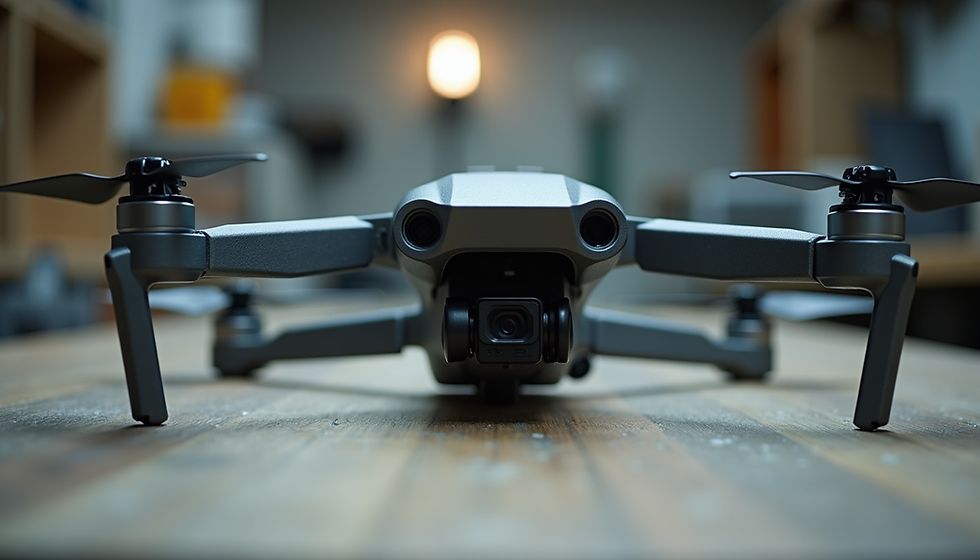
Frame and Body Components: 3D printing produces lightweight and durable frame and body components, improving drone structural integrity.
Propellers and Rotor Blades: 3D printing enables the creation of optimized propellers and rotor blades, improving drone efficiency and performance.
Mounts and Brackets: 3D printing produces custom mounts and brackets, securing components and improving drone reliability.
Case Studies
DJI: DJI uses 3D printing to prototype and produce custom drone components, reducing development time and costs.
Skydio: Skydio leverages 3D printing to create lightweight and durable drone components, improving performance and efficiency.
Comparison Table
Traditional Manufacturing | 3D Printing |
Long lead times | Rapid iteration and production |
High production costs | Cost-effective prototyping |
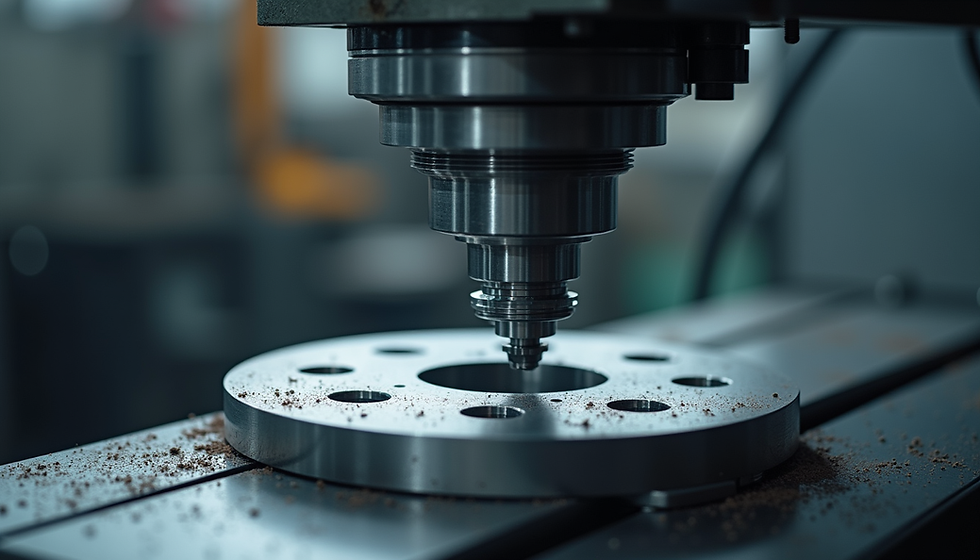
Limited design flexibility | Complex geometries and customization |
Material waste and tooling costs | Minimal material waste and no tooling costs |
Conclusion
3D printing is revolutionizing the drone industry by enabling rapid prototyping of complex components. By leveraging additive manufacturing, drone developers can improve performance, reduce costs, and accelerate innovation.
Also Read: https://www.printzkart.in/post/how-3d-printing-is-powering-the-rise-of-delivery-drones-worldwide
Comments