
Understanding Drone Manufacturing Technology: A Deep Dive into Drone Parts Manufacturing Technologies

Drones have become essential tools across many industries. Their applications range from aerial photography to agriculture, delivery services, and even emergency response. To build reliable and efficient drones, understanding the technologies behind drone parts manufacturing is crucial. This knowledge helps in designing better drones and improving production processes.
Key Technologies in Drone Manufacturing Technology
Drone manufacturing technology involves several advanced processes. These processes ensure that each drone part meets strict quality and performance standards. Here are some of the main technologies used:
3D Printing
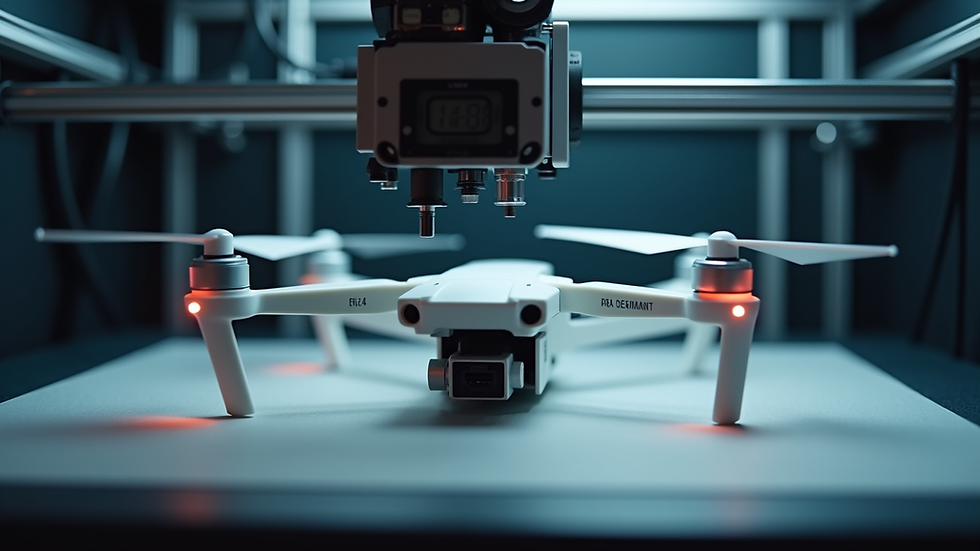
3D printing is a game-changer in drone manufacturing. It allows for rapid prototyping and production of complex parts with high precision. Using materials like carbon fiber-reinforced polymers, manufacturers can create lightweight yet strong components. This technology reduces waste and shortens production cycles.
CNC Machining
Computer Numerical Control (CNC) machining is widely used for metal parts. It offers high accuracy and repeatability. CNC machines carve parts from solid blocks of aluminum or titanium, which are common materials in drone frames and motor mounts. This method ensures durability and tight tolerances.
Injection Molding
Injection molding is ideal for producing plastic parts in large volumes. It involves injecting molten plastic into molds to form components like propeller blades, housings, and connectors. This process is cost-effective for mass production and delivers consistent quality.
Composite Material Fabrication
Composite materials combine fibers like carbon or glass with resin to create strong, lightweight parts. Techniques such as layup and curing are used to manufacture drone frames and arms. These materials improve flight performance by reducing weight without sacrificing strength.
Materials Used in Drone Parts Manufacturing
Choosing the right materials is vital for drone performance. Each material offers unique benefits and challenges.
Aluminum: Lightweight and corrosion-resistant, aluminum is common in frames and motor mounts.
Carbon Fiber: Known for its high strength-to-weight ratio, carbon fiber is used in frames and propellers.
Plastic Polymers: Used for housings and non-structural parts, plastics are easy to mold and cost-effective.
Titanium: Stronger and lighter than steel, titanium is used in high-stress components but is more expensive.
Understanding these materials helps in selecting the best option for specific drone parts, balancing cost, weight, and durability.
Who are the top 5 drone manufacturers?
The drone industry features several leading manufacturers known for innovation and quality. These companies have set benchmarks in drone design and production:
DJI - A global leader known for consumer and professional drones.
Parrot - Specializes in consumer drones with a focus on ease of use.
Autel Robotics - Offers drones with advanced imaging and flight capabilities.
Skydio - Known for autonomous drones with obstacle avoidance.
Yuneec - Produces drones for both consumers and commercial applications.
These manufacturers invest heavily in drone manufacturing technology to maintain their competitive edge.

Challenges in Drone Parts Manufacturing
Manufacturing drone parts comes with several challenges:
Precision Requirements: Drone parts must fit perfectly to ensure stability and performance.
Material Limitations: Balancing weight and strength is difficult, especially for flying components.
Cost Control: Advanced materials and technologies can be expensive.
Scalability: Producing parts at scale without compromising quality is complex.
Regulatory Compliance: Parts must meet safety and environmental standards.
Addressing these challenges requires continuous innovation and investment in manufacturing technology.
Future Trends in Drone Manufacturing Technology
The drone industry is evolving rapidly. Here are some trends shaping the future of drone parts manufacturing:
Advanced 3D Printing Materials: New composites and metal printing will enable stronger, lighter parts.
Automation and Robotics: Automated assembly lines will increase production speed and reduce errors.
Smart Manufacturing: IoT and AI will optimize manufacturing processes and quality control.
Sustainable Materials: Eco-friendly materials and recycling methods will reduce environmental impact.
Customization: On-demand manufacturing will allow for tailored drone parts to meet specific needs.
These trends will help manufacturers produce better drones more efficiently.
How to Choose the Right Manufacturing Partner
Selecting the right partner for drone parts manufacturing is critical. Here are some tips:
Evaluate Expertise: Look for experience in drone manufacturing technology and materials.
Check Capabilities: Ensure the partner can handle prototyping, small batches, and mass production.
Assess Quality Control: Strong quality assurance processes are essential.
Consider Location: Proximity can reduce shipping times and costs.
Review Customer Support: Good communication and support improve project outcomes.
Partnering with a reliable manufacturer can accelerate product development and improve final drone quality.
Leveraging 3D Printing for Custom Drone Parts
For businesses and innovators, 3D printing offers unique advantages. It enables the creation of custom parts that traditional methods cannot easily produce. Rapid iteration and testing become possible, speeding up development cycles.
Using drone parts manufacturing services that specialize in 3D printing can help bring innovative drone designs to life. This approach reduces lead times and allows for flexible production runs.
Enhancing Drone Performance Through Manufacturing Innovation
Manufacturing technology directly impacts drone performance. Lightweight materials and precise parts improve flight time and stability. Advanced manufacturing techniques reduce defects and increase reliability.
Investing in the latest drone manufacturing technology ensures drones meet the demands of modern applications. It also opens opportunities for new designs and functionalities.
Final Thoughts on Drone Manufacturing Technology
Understanding the technologies behind drone parts manufacturing is essential for anyone involved in drone development. From material selection to production methods, each step influences the final product's quality and performance.
Staying informed about current technologies and future trends helps in making better decisions. It also supports innovation and efficiency in drone production.
By leveraging advanced manufacturing technologies, businesses can create drones that are reliable, efficient, and tailored to specific needs. This approach drives growth and success in the competitive drone market.

Been looking for a crossword generator that doesn't watermark the PDF. This one just works — AI clues saved me an hour of brainstorming.