
Revolutionizing Robotics: How Smart Factories Use 3D Printing for Enhanced Production Efficiency

The manufacturing world is changing fast, and smart factories are at the forefront of this transformation. One technology driving this change is 3D printing, which is reshaping how robots are produced. This blog post explores how smart factories use 3D printing to improve robot manufacturing, the benefits it brings, real-world examples, and what the future holds for robotics.

How 3D Printing Fits into Smart Factory Robot Production
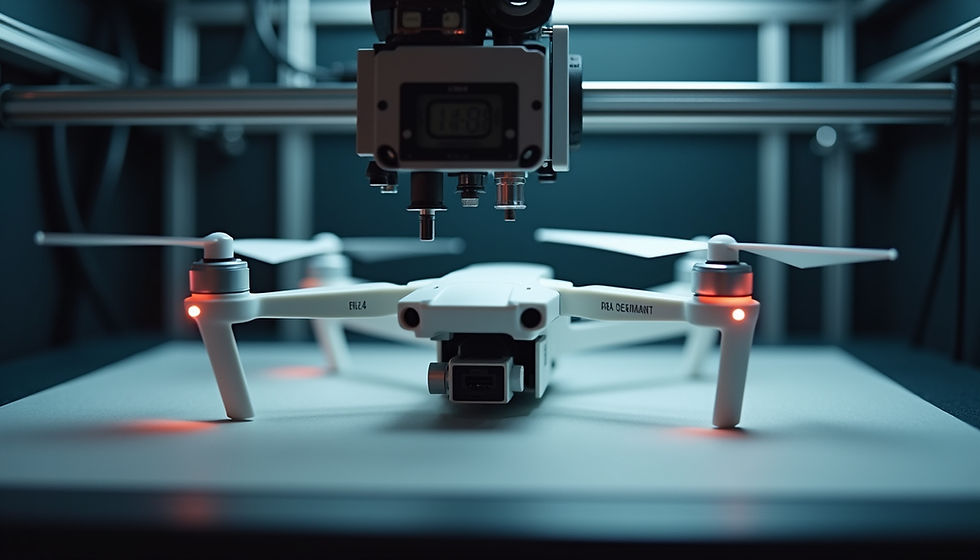
Smart factories combine automation, data exchange, and advanced manufacturing technologies to create efficient production lines. 3D printing, also known as additive manufacturing, fits perfectly into this setup by allowing factories to build complex robot parts layer by layer directly from digital designs.
Unlike traditional manufacturing methods that often require molds, tools, or multiple steps, 3D printing simplifies the process. It enables factories to produce customized parts quickly and with less waste. This flexibility is especially valuable in robotics, where designs often need to be tailored for specific tasks or environments.
Benefits of 3D Printing in Robot Manufacturing
Cost Efficiency
3D printing reduces costs in several ways:
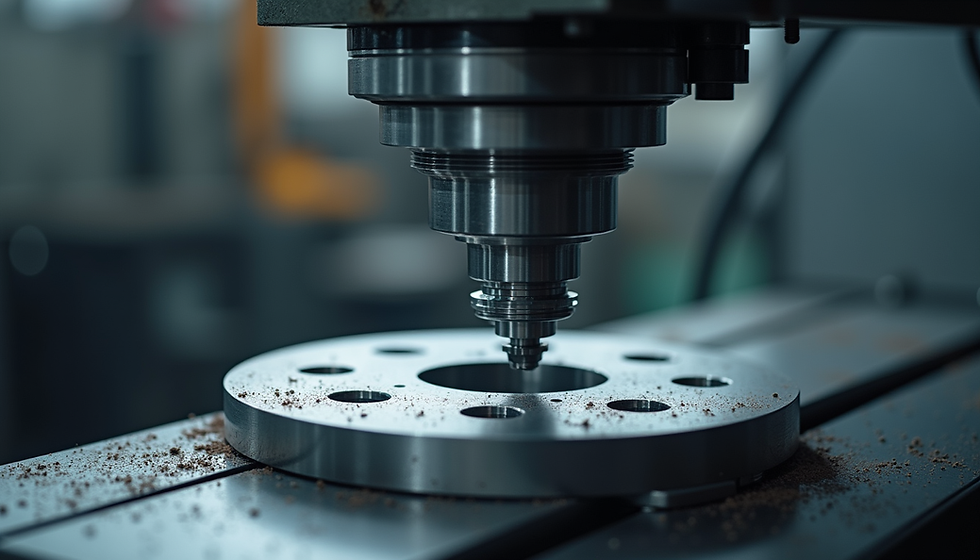
Lower material waste: Additive manufacturing uses only the material needed to build the part, unlike subtractive methods that cut away excess.
Reduced tooling expenses: No need for expensive molds or dies.
Faster prototyping: Engineers can test and refine designs quickly without waiting for traditional manufacturing setups.
On-demand production: Factories can produce parts as needed, reducing inventory and storage costs.
Customization and Design Freedom
Robots often require parts with complex shapes or integrated functions. 3D printing allows:
Complex geometries: Parts with internal channels, lightweight lattice structures, or unique shapes that traditional methods cannot easily create.
Tailored components: Custom parts designed for specific robot models or tasks.
Rapid iteration: Easy modification of digital designs to improve performance or adapt to new requirements.
Speed and Flexibility
3D printing accelerates production timelines:
Shorter lead times: Parts can be printed within hours or days instead of weeks.
Flexible manufacturing: Factories can switch between different robot parts without retooling.
Rapid repairs: Replacement parts can be printed on-site to minimize downtime.
Examples of Successful 3D Printing in Smart Factories
Siemens’ Use of 3D Printing for Robot Components
Siemens has integrated 3D printing into its smart factories to produce parts for industrial robots. They use metal additive manufacturing to create lightweight, durable components that improve robot efficiency. This approach has cut production time by up to 50% and reduced costs significantly.
FANUC’s Additive Manufacturing for Customized Robot Parts
FANUC, a leading robotics company, employs 3D printing to produce customized end-effectors and grippers. This allows them to tailor robots for specific manufacturing tasks, improving precision and reducing setup times.
GE Additive and Robotics Integration
General Electric uses 3D printing in its smart factories to build complex parts for robotic arms used in aerospace manufacturing. The technology enables GE to produce parts with intricate cooling channels and optimized strength-to-weight ratios, enhancing robot performance.
Impact on the Robotics Industry
3D printing is changing the robotics industry in several key ways:
Lower barriers to entry: Smaller companies can design and produce robot parts without massive upfront investments.
Faster innovation cycles: New robot designs reach the market more quickly.
Improved robot capabilities: Custom and complex parts lead to more versatile and efficient robots.
Sustainability: Reduced waste and energy use contribute to greener manufacturing.
Future Trends in 3D Printing and Robotics
Looking ahead, several trends will shape how 3D printing influences robot production:
Multi-material printing: Combining metals, plastics, and ceramics in one print to create multifunctional parts.
Embedded sensors: Printing parts with built-in sensors for smarter, self-monitoring robots.
AI-driven design: Using artificial intelligence to optimize part designs for 3D printing and robot performance.
Distributed manufacturing: Networked smart factories printing robot parts closer to end users, reducing shipping and lead times.
Smart factories will continue to adopt these advances, making robot production faster, cheaper, and more adaptable.
Comments